
Acció Preventiva and the System Behind Zero Accidents
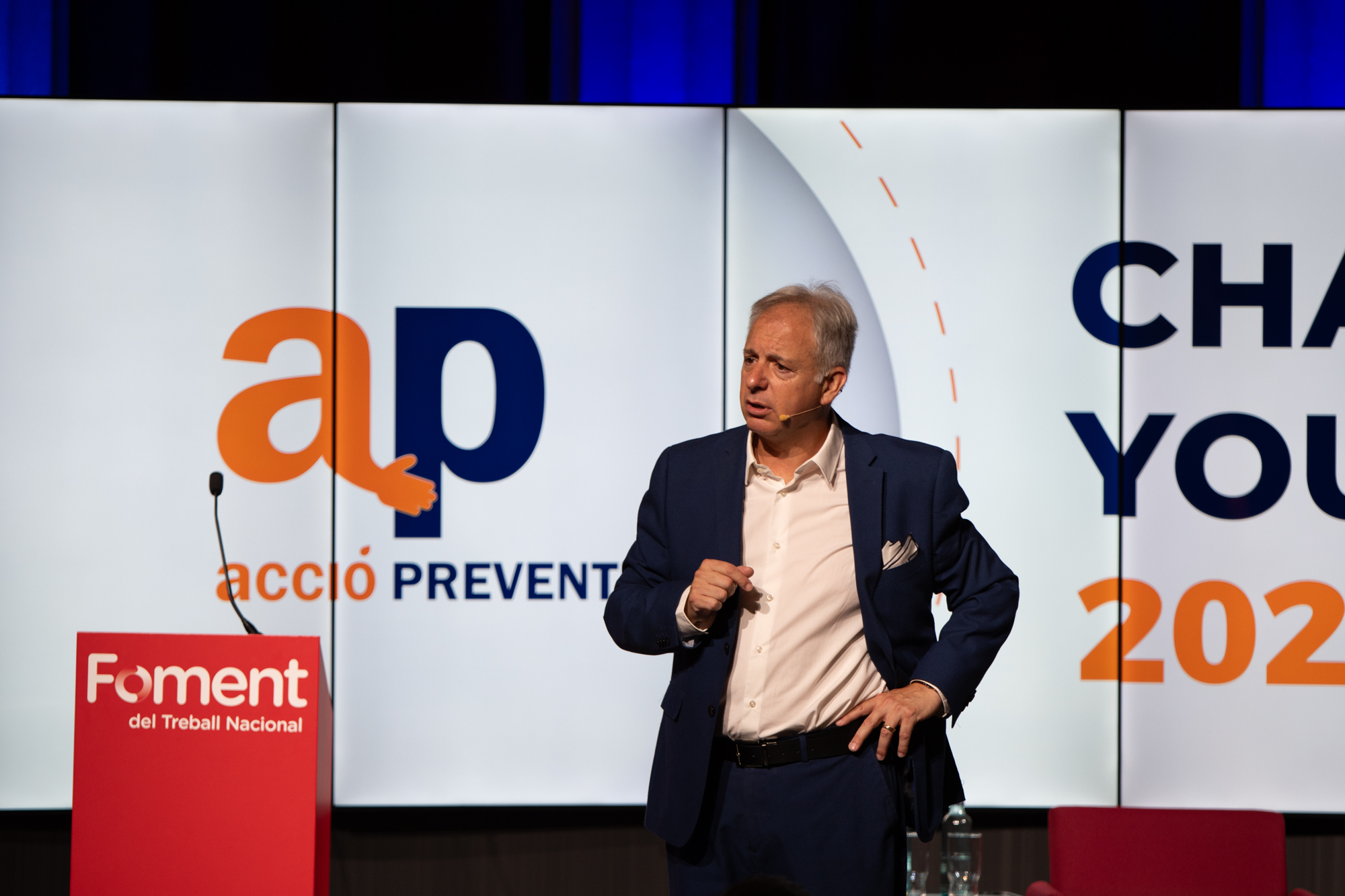
Occupational health and safety systems across Europe have become more sophisticated over the past decade, shaped by expanding regulation and heightened scrutiny. Documentation has improved, reporting standards have tightened and oversight mechanisms have matured. Yet many organisations continue to experience a disconnect between formal compliance and day-to-day behaviour. Prevention frameworks may exist on paper, but their influence on leadership decisions, risk perception and workplace culture often remains uneven.
Acció Preventiva emerged in 2012 against this backdrop, founded by Xavier Pladevall with the intention of addressing persistent limitations in how prevention was understood and implemented in Spain. Working in partnership with Europreven, the firm developed a consultancy model centred on prevention culture, leadership engagement and the practical integration of risk management into organisational systems. As expectations around psychosocial health, productivity and governance continue to rise, the question is no longer whether prevention systems exist, but whether they are capable of reshaping organisational behaviour in measurable and durable ways.
From Compliance to Organisational Competitiveness
The maturation of occupational health and safety regulation has ensured that most organisations now operate within clearly defined legal frameworks. Risk assessments, documented procedures and external prevention services have become standard practice. Yet formal compliance does not automatically translate into behavioural change. Where prevention is perceived as an administrative requirement rather than a management priority, its influence on decision-making remains limited.
This distinction carries economic consequences. Absenteeism, presenteeism and workplace conflict affect productivity as directly as equipment failure or supply chain disruption. Psychosocial risks, once peripheral to prevention discourse, are increasingly recognised as determinants of organisational resilience. In this context, prevention begins to intersect with talent retention, leadership accountability and operational efficiency.
Acció Preventiva’s positioning reflects this shift. By framing prevention culture as a lever within management systems rather than a parallel reporting function, the firm operates at the point where governance and performance meet. The objective is not merely to reduce incidents, but to influence how risk is perceived, communicated and acted upon throughout the organisational hierarchy. That emphasis on leadership activation and cultural integration establishes the foundation for its methodology.
The Methodology of Cultural Integration
Implementation begins with diagnosis. Acció Preventiva assesses not only compliance documentation and incident history, but how prevention is experienced in daily operations. Leadership behaviour, internal communication and the distribution of responsibility across the chain of command form part of the initial evaluation. Where preventive structures exist, the focus shifts to strengthening coherence and closing operational gaps. Where systems are reactive, foundational processes are established before further complexity is introduced.
The firm’s proprietary methodology, Changing Your Prevention, is designed to embed occupational risk management within broader management systems. Integration, rather than overlay, is the guiding principle. Preventive measures are aligned with strategic objectives, responsibilities are clarified and execution is accompanied by sustained follow-up rather than static reporting. Technology is introduced selectively to support traceability and measurement, ensuring that implementation does not add administrative burden while enhancing oversight.
Measured outcomes provide insight into the operational impact of this approach. In specific client projects, Acció Preventiva reports reductions in accident rates of up to 90 per cent, alongside a 78 per cent increase in talent retention. Improvements in the quality of work delivered have reached 85 per cent, workplace conflicts have decreased by 82 per cent and productivity indicators have risen by 86 per cent. While outcomes vary by organisation and context, these figures suggest that behavioural integration, when sustained, can influence both preventive and economic performance simultaneously.
Technology, Measurement and Institutional Recognition
The increasing complexity of modern workplaces has elevated the importance of measurement. Acció Preventiva’s emotional wellbeing assessment tool enables organisations to evaluate psychosocial health with greater precision, moving beyond anecdotal observation towards structured analysis. Its External Prevention Service App centralises documentation, streamlines management processes and supports ongoing traceability. The intention is not technological novelty, but operational clarity.
Institutional recognition has accompanied this development. The firm has received the European Award for Technology and Innovation in Prevention in 2023, followed by the Business Excellence Award in 2024. Additional honours include the International Award for Healthy, Flexible and Sustainable Company in 2024, the Work–Life Balance Award in 2025, the Leading Company in Occupational Risk Prevention Award in 2025 and consecutive distinctions at The European Awards between 2023 and 2025. Such acknowledgements reflect external validation of both methodological innovation and organisational consistency.
Working with more than 3,000 partner organisations nationwide, Acció Preventiva has developed a national footprint that reinforces its consultative model. Awards alone do not confer credibility, but when combined with measurable outcomes and sustained client relationships, they indicate a degree of sectoral maturity.
Scaling Prevention as Sustainable Infrastructure
Sustained influence requires scalability. Acció Preventiva’s future orientation is centred on consolidating its methodology while extending its reach across Spain. Growth is framed as structured rather than accelerated, preserving technical rigour and close client support as operations expand. Continued professionalisation of its technological tools, particularly in areas such as psychosocial risk anticipation and organisational wellbeing, forms part of that strategy.
The firm’s allocation of 15 per cent of profits to humanitarian and social causes reinforces a broader conception of prevention as a social as well as organisational responsibility. Internally, emphasis on technical excellence, collaborative practice and work–life balance aims to mirror the standards promoted externally. Cultural consistency becomes part of the firm’s own governance architecture.
As regulatory expectations evolve and productivity pressures intensify, prevention is likely to become more deeply entwined with organisational competitiveness. The durability of models such as Acció Preventiva’s will depend on their capacity to maintain integration across leadership, measurement and behaviour as they scale. In advanced economies where human capital is increasingly central to value creation, the structural role of prevention may prove more consequential than compliance frameworks alone would suggest.