
Bahrain Secures Billions Through Investment Licences
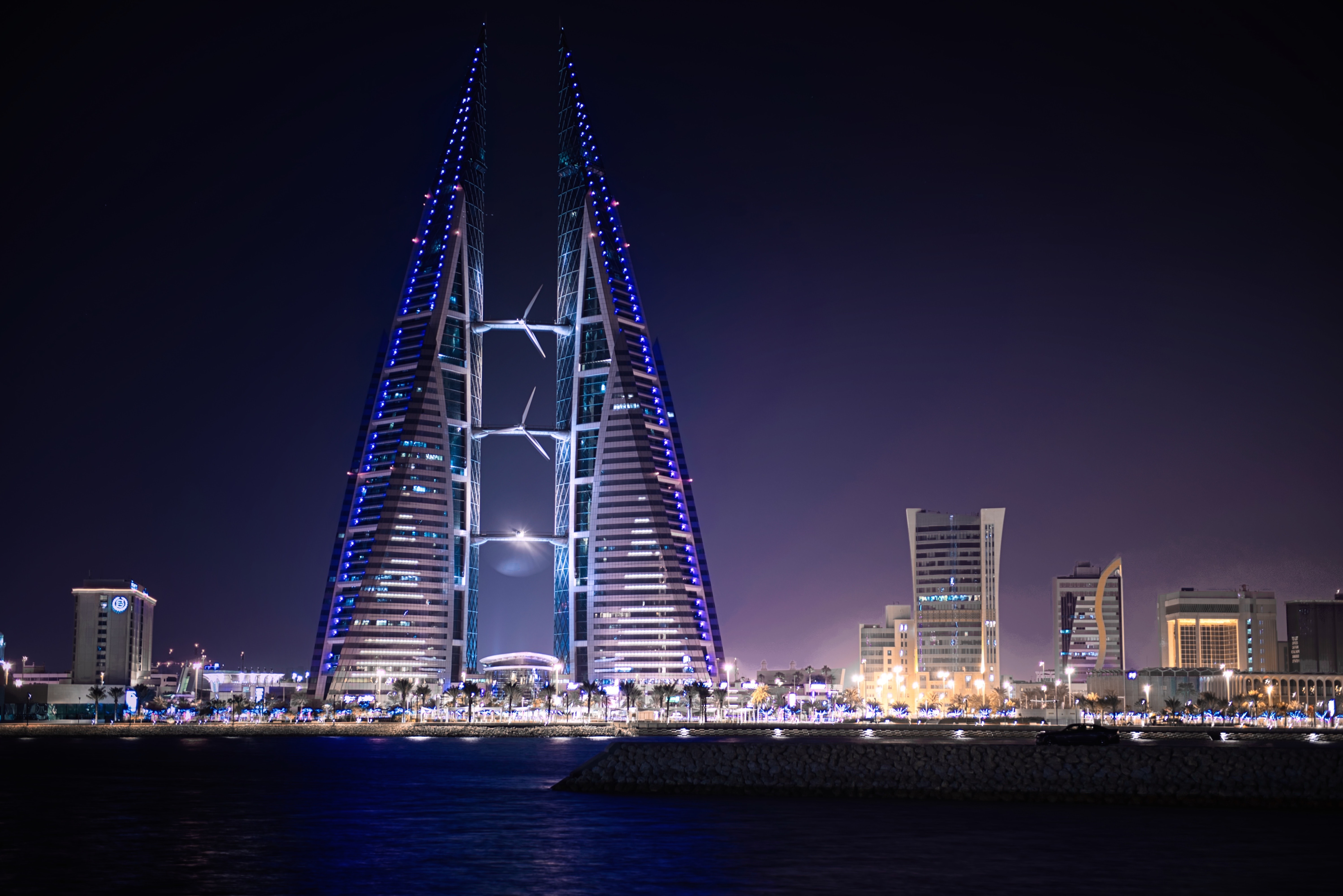
Bahrain has approved four major investment projects worth approximately $3.89 billion, reinforcing its ambition to become a regional centre for aviation, technology and premium real estate development.
The approvals were announced at Gateway Gulf 2026, a major investment forum organised by the Bahrain Economic Development Board in Manama.
The projects have been granted Golden Licences, a government programme introduced in 2023 to support large-scale investment through streamlined approvals and access to public services.
International investors involved in the approved developments include DHL, Capital A, the parent company of AirAsia, and Spanish hospitality group Meliá.
DHL plans to establish a regional aircraft maintenance, repair and overhaul facility, strengthening Bahrain's position in aviation services. Capital A's proposed investment will bring additional passenger airline, cargo and aviation engineering activities to the country.
Real estate investment also forms part of the package. Meliá and Infracorp are developing a waterfront project on Amwaj Islands, combining a five-star hotel with branded residential accommodation.
Digital City Bahrain is advancing another mixed-use development incorporating commercial, educational, residential and innovation facilities.
The wider Gateway Gulf event is expected to generate more than 110 investment announcements valued above $20 billion, according to Bahrain's finance minister.
For the foreign direct investment industry, the projects demonstrate the role of targeted incentives in attracting international businesses. Streamlined regulation can reduce administrative uncertainty, while investments in aviation and technology may support employment and regional trade. However, announced project values should not be confused with capital already deployed, and economic benefits will depend on implementation.
Bahrain's strategy reflects wider efforts among Gulf economies to diversify revenue sources and attract investment into industries beyond traditional energy production.
The latest approvals provide a substantial pipeline of prospective development. Their success will ultimately be measured through completed facilities, new commercial activity and the country's ability to sustain investor confidence over the longer term.