
Canada Turns Trade Tensions Into Investment Pitch
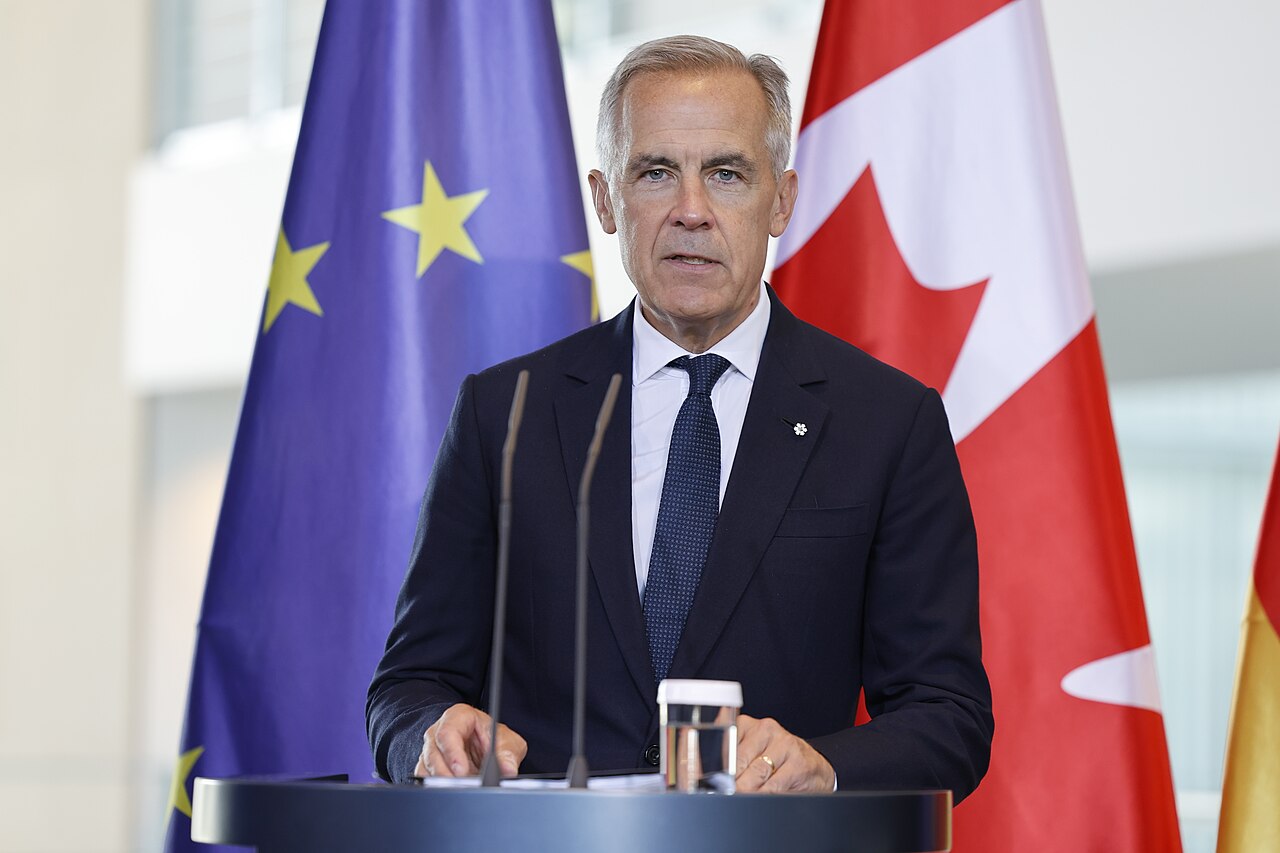
Canada is turning its trade confrontation with the United States into an aggressive campaign for foreign capital, with Prime Minister Mark Carney pitching the country as a more stable base for investors navigating rising protectionism. Ottawa is targeting more than C$1 trillion of investment over five years, signalling a decisive shift towards using foreign direct investment as a tool for economic diversification.
The pitch comes as around 300 executives overseeing more than $120 trillion in assets gather at the Canada Investment Summit in Toronto. Ottawa is presenting more than 160 investment opportunities across mining, energy, infrastructure and technology, including data centres, quantum computing and green nickel production. The scale of the campaign reflects intensifying competition between governments for capital that can strengthen domestic industries and supply chains.
Canada is not starting from a weak investment position. Foreign direct investment reached C$96.8 billion in 2025, its highest annual level since 2007. US investors accounted for C$52.5 billion, however, exposing the depth of Canada’s dependence on its largest trading partner and explaining why diversification has become an economic priority.
The new strategy is focused increasingly on strategic capital. Critical minerals, artificial intelligence, energy infrastructure and advanced manufacturing offer Canada opportunities to attract investment linked to supply-chain security and the global shift towards more resilient production networks.
Carney’s argument is not that Canada can replace the US. It is that investors can use Canada to reduce exposure to a more fragmented trading system. Ottawa is highlighting its resource base, skilled workforce and access to international markets while seeking deeper investment relationships across Europe, Asia and the Middle East.
The challenge is execution. A C$1 trillion target is substantial, but attracting capital is only the opening move. Canada must convert investor interest into productive assets, new capacity and employment while maintaining the regulatory certainty and competitiveness needed to keep global capital committed long after the current trade tensions ease.