
China-EU Tensions Cloud Investment Environment
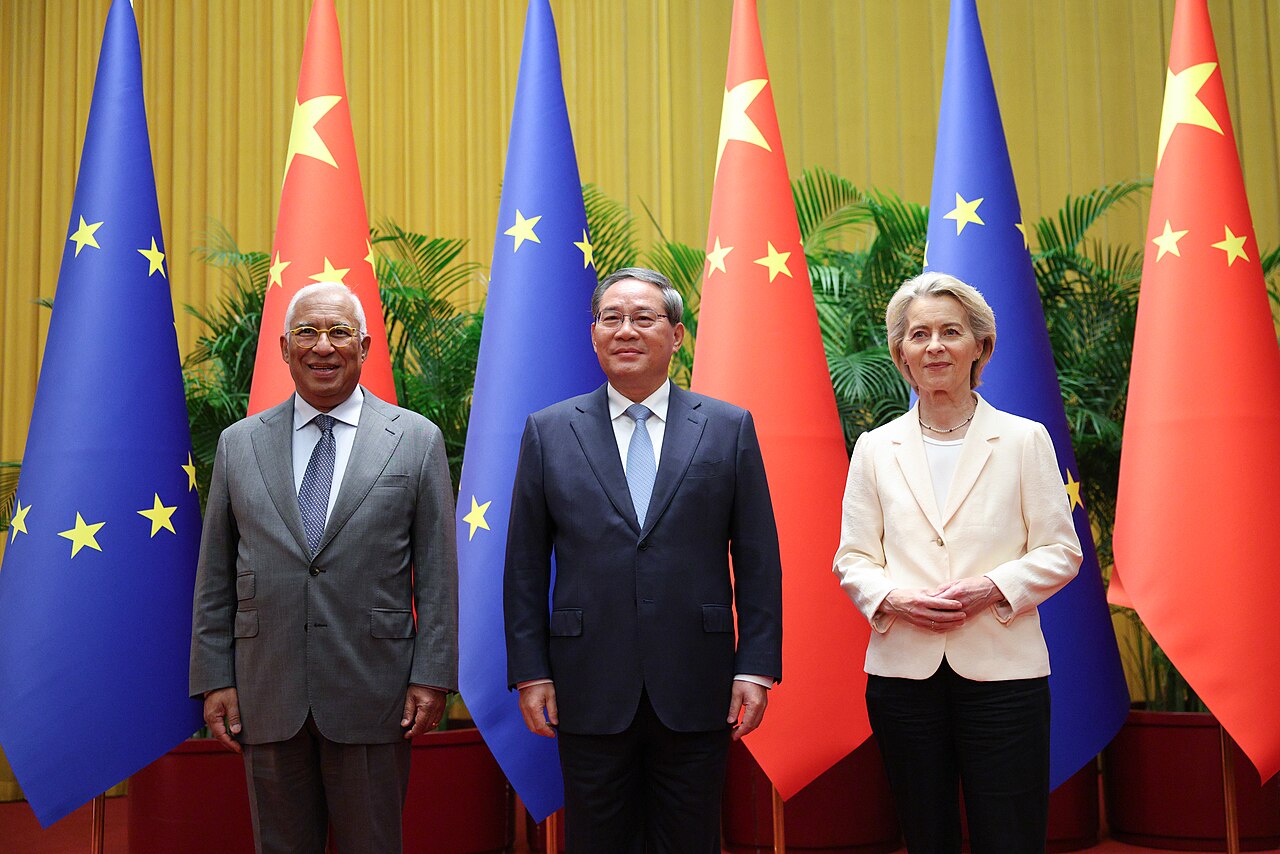
China’s decision to cancel two high-level meetings with the European Union has intensified concerns over the future direction of one of the world’s most significant economic relationships. The move comes as trade disputes deepen between the two sides, raising fresh questions about the policy environment shaping cross-border investment and commercial engagement.
The cancelled meetings, which were due to take place in Beijing, included a ministerial-level dialogue on digital issues and discussions involving senior EU diplomatic officials. While no formal explanation was provided, the decision coincides with escalating disagreements over trade, industrial policy and market access. Beijing has mounted a campaign against proposed European measures designed to limit the role of Chinese companies in strategic sectors, while Brussels has increasingly characterised its growing trade imbalance with China as unsustainable.
The dispute reflects a broader shift in economic relations between the two trading powers. Chinese exports to the European Union rose sharply during the first five months of the year, prompting European policymakers to consider additional measures aimed at protecting domestic industries. Proposed legislation could restrict access for certain Chinese products to public procurement contracts and limit acquisitions of European companies. At the same time, the European Commission has outlined policies that would further reduce Chinese participation in telecommunications infrastructure, solar energy systems and other strategic industries.
For investors and multinational businesses, the developments underscore a period of increasing regulatory complexity. Alongside trade frictions, Beijing has introduced new rules intended to safeguard supply chain security and counter foreign restrictions affecting Chinese companies. Authorities have also strengthened oversight of outbound investment, particularly transactions involving technology transfers and data flows. These measures are reshaping the framework within which companies assess expansion opportunities, partnerships and long-term capital allocation decisions.
Despite the diplomatic setback, engagement between the two sides continues through other channels, with officials maintaining discussions on trade and economic matters ahead of future meetings. However, the cancellation of the dialogues serves as a reminder that geopolitical considerations are becoming increasingly intertwined with investment decisions. As both sides pursue policies aimed at strengthening economic resilience and protecting strategic interests, the balance between market openness and economic security is emerging as a defining factor in the future trajectory of China-EU investment relations.