
China’s Tech Rise Draws Global Capital
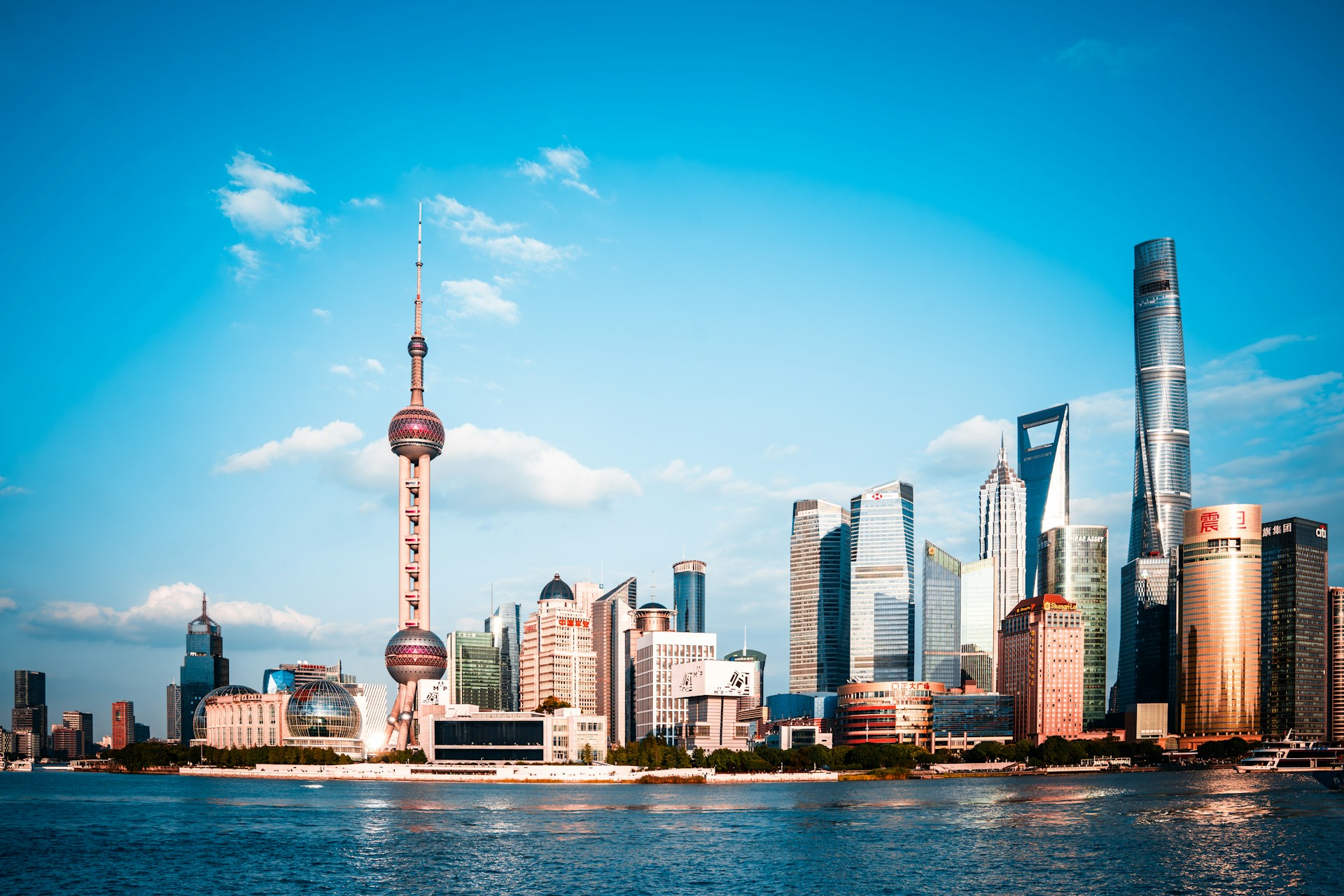
China’s technology centres are drawing a new wave of foreign investors and executives seeking first-hand exposure to advances in robotics, artificial intelligence and electric vehicles. The visits are becoming a form of investment reconnaissance, as companies assess where China still holds advantages in scale, supplier depth and commercial deployment.
Demand for specialist factory tours has accelerated. Some five-day programmes cost up to $15,000, while Shanghai-based GloPen says enquiries have risen 50 per cent this year, led by European and Singaporean clients. US investment firms including Dimension, Capital Group and Thrive Capital have also visited, underlining how closely global capital is watching China’s industrial ecosystem.
The interest comes as China’s headline FDI figures remain mixed. Actual foreign investment reached 438.3 billion yuan in the first seven months of 2026, down 6.2 per cent year on year. Yet high-technology industries attracted 182.3 billion yuan, up 32.7 per cent, and accounted for 41.6 per cent of total inflows. Investment in research and design services rose 72.1 per cent.
For FDI decision-makers, that divergence matters. China is no longer competing for foreign capital mainly through low-cost manufacturing or market size. Its stronger proposition is increasingly concentrated in innovation clusters where research, suppliers, manufacturing and domestic demand sit close together.
The renewed interest does not remove longstanding risks. Export controls, geopolitical tension, regulatory uncertainty and pressure to diversify supply chains still complicate investment decisions. But the factory-tour boom suggests disengagement is not the full story. Foreign capital is becoming more selective, and China’s ability to attract it may increasingly depend on whether technological exposure outweighs political and operational risk.