
China's Ultra-High-Voltage Power Grid Drives Energy Transition And Global Interest
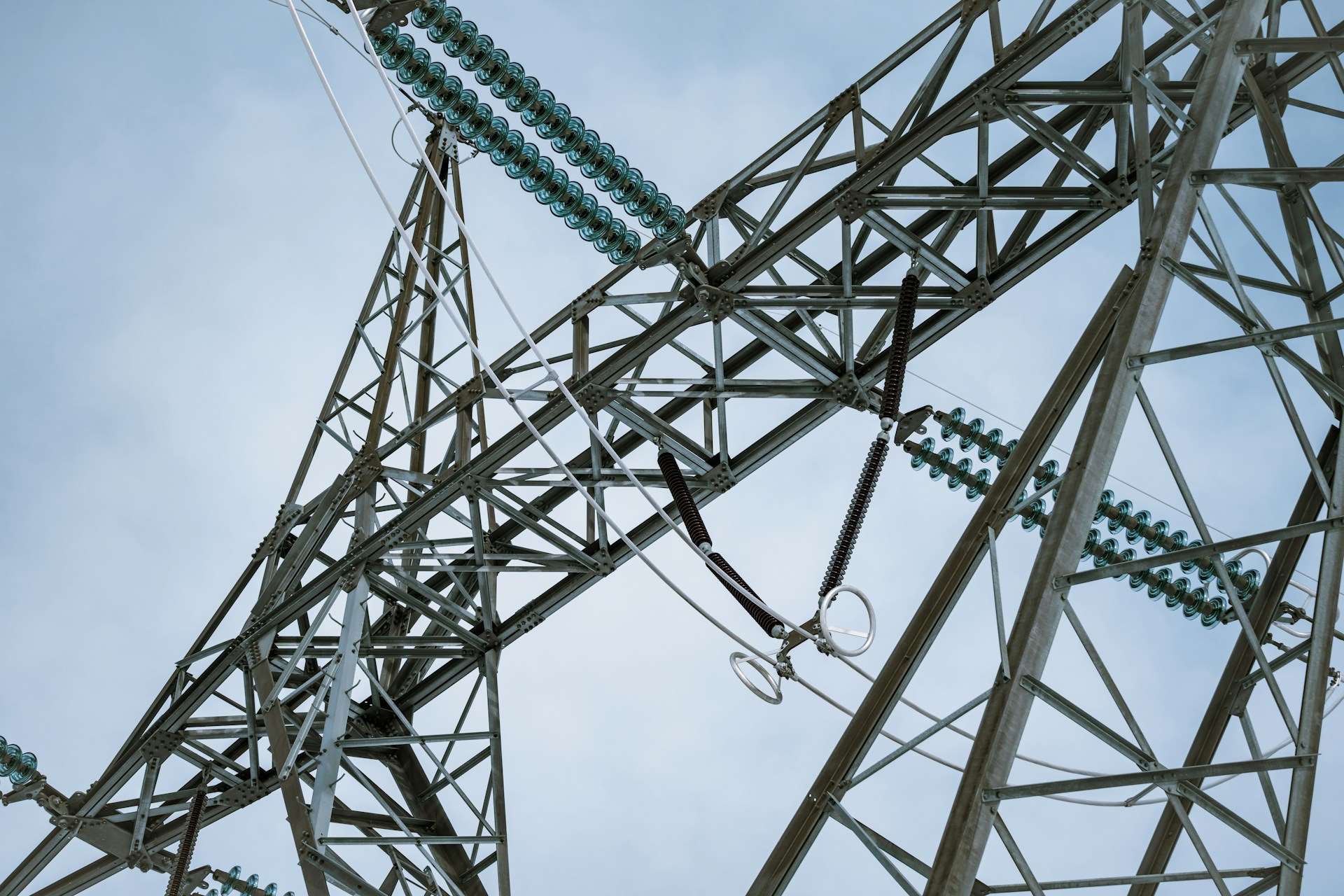
China is making strides in renewable energy with its ultra-high-voltage (UHV) power transmission network, known as the “bullet train for power.” This technology allows electricity to travel vast distances with minimal loss, facilitating the movement of energy generated from remote hydro, wind, and solar sources to densely populated cities. The Fengxian Converter Station in Shanghai exemplifies China’s ambition, receiving electricity from the Xiangjiaba Hydropower Station 1,900km away.
Initially proposed to connect China’s coal and hydropower facilities with urban demand centers, UHV technology has now become essential for integrating renewables. China’s State Grid, with backing from the government, has constructed a national UHV network spanning 48,000km, far outpacing global counterparts. This infrastructure helps balance regional energy production variability, such as harnessing solar energy in western China while eastern China transitions into the evening.
Despite its benefits, the UHV system faces challenges. High construction costs mean UHV lines must operate continuously to recoup investments, which sometimes necessitates coal-based power. Currently, only 27.25% of UHV-transmitted power comes from wind and solar, while hydropower, which China categorizes as clean, dominates. Some regions, like Sichuan, experience local shortages despite hosting major power plants due to rigid UHV routing requirements.
China’s success has inspired other countries. Brazil uses UHV lines, built by China’s State Grid, to carry Amazonian hydropower to major cities. India’s Green Energy Corridor also employs UHV lines, while Europe, Australia, and North Africa are pursuing high-voltage projects to transmit renewable energy across continents.
With UHV, China has accelerated its renewable energy ambitions, providing a model for other nations seeking efficient energy transmission solutions. However, its future role will depend on balancing infrastructure costs, regional grid integration, and renewable utilization.