
INTI and the Industrial Foundations of Health in Bolivia
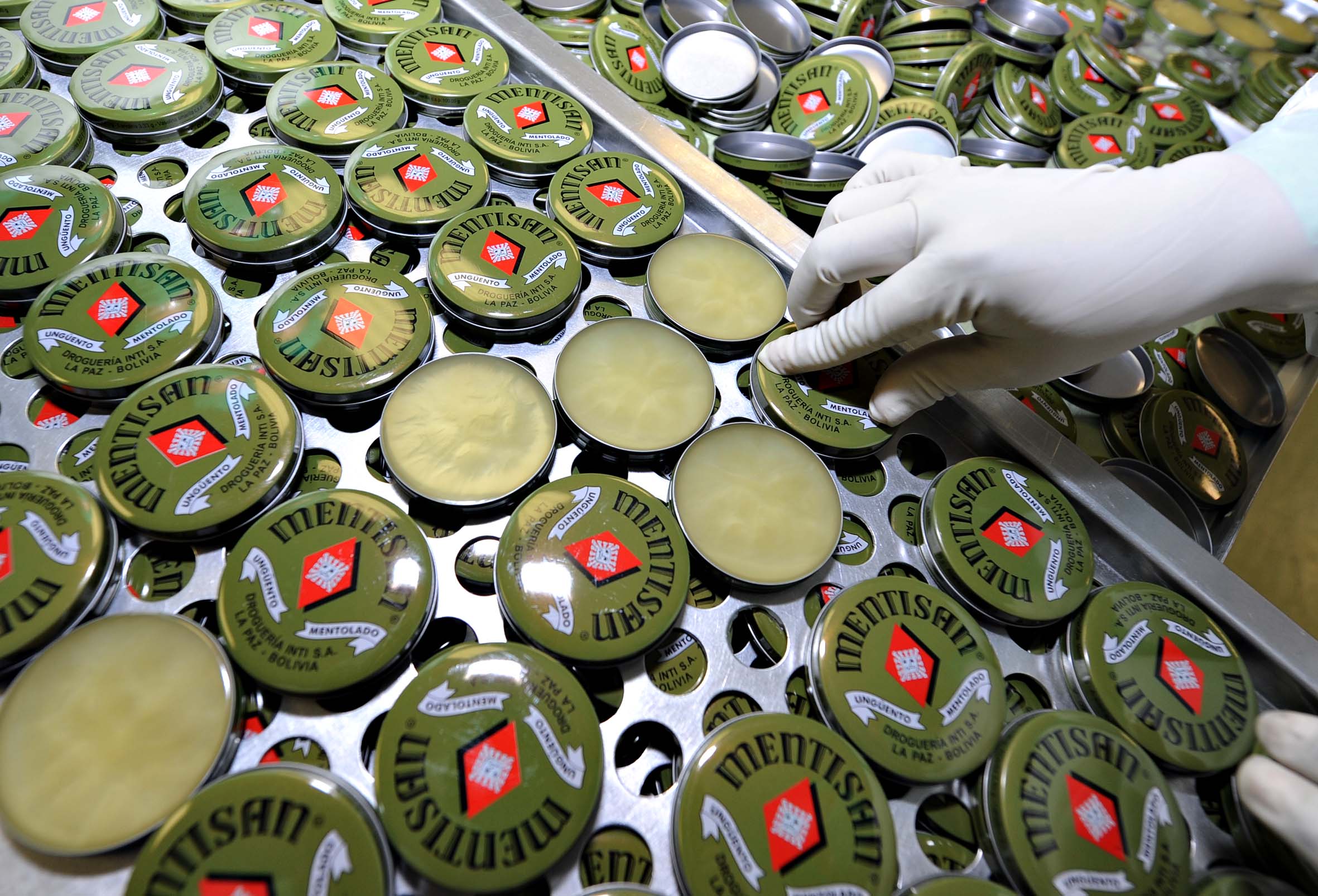
Healthcare systems are often assessed through access, affordability and outcomes. Yet behind these visible measures sits a quieter infrastructure: manufacturing discipline, supply reliability and institutional trust. In countries where health systems are still consolidating, these foundations matter profoundly. Bolivia’s pharmaceutical landscape reflects this reality. Access to medicines depends not only on policy, but on the presence of organizations capable of delivering quality at scale, consistently and responsibly.
Droguería INTI S.A. has come to occupy that role. With close to nine decades of uninterrupted operation, the company has evolved alongside Bolivia’s public health needs, transforming from a small-scale company into a national industrial benchmark. Its story is not one of rapid disruption, but of deliberate growth built on industrial rigour, cultural continuity and a clear understanding of health as both a social obligation and an economic pillar.
From Small-Scale Production to a National Pharmaceutical Leader
Founded in La Paz in 1936, INTI began as a modest operation serving local demand. Over time, it expanded in step with the country’s demographic and healthcare evolution, gradually building the industrial capacity required to support a growing and increasingly complex pharmaceutical market. Today, INTI offers a portfolio of more than 1,500 products distributed across all nine departments of Bolivia, while also exporting to markets such as Peru, Germany and Paraguay.
This expansion reflects more than commercial success. It signals the development of a national healthcare infrastructure anchored in domestic capability. By generating over 1,100 direct jobs and hundreds of indirect roles, INTI has embedded itself within Bolivia’s economic fabric. Its long presence has fostered familiarity and trust across generations, positioning the company not simply as a supplier, but as a stable institution within the country’s health ecosystem.
Longevity, in this context, has not led to inertia. Instead, it has allowed INTI to accumulate technical expertise, operational memory and institutional credibility. These assets underpin its reputation as one of the five most trusted companies in Bolivia, reinforcing its standing as a reliable partner to healthcare providers, regulators and international markets alike.
Industrial Rigour as a Strategic Advantage
At the core of INTI’s leadership lies a comprehensive industrial structure designed to meet the stringent demands of pharmaceutical production and distribution. Manufacturing under Good Manufacturing Practices (BPM) and storage under Good Storage Practices (BPA) form the backbone of its operations. These standards are not treated as regulatory hurdles, but as strategic enablers that support quality, consistency and scalability.
In markets where supply chain disruptions and quality variance can undermine public confidence, such discipline becomes a competitive advantage. INTI’s Authorised Economic Operator (AEO) certification further strengthens this position, signaling compliance, security and efficiency across its logistics processes. This level of operational maturity supports export activity and reassures international partners that Bolivian pharmaceutical production can meet global expectations but also facilitates import activity of raw material for an uninterrupted production process.
The company’s approach to new projects and clients reflects this same discipline. Each engagement begins with accurate diagnostics and comprehensive planning, followed by execution aligned with high-quality standards. Ongoing support ensures commitments are met and results are measurable. This structured methodology reduces risk for partners and reinforces INTI’s reputation for reliability in a sector where errors carry significant human consequences.
Culture, People and Organisational Integrity
Industrial excellence alone does not sustain leadership over decades. INTI’s internal culture plays an equally critical role. Built on respect, teamwork, inclusion and fairness, the company’s organisational ethos emphasises continuous development as a driver of performance. Employees are encouraged to learn, collaborate and take initiative, fostering resilience and adaptability within the workforce.
This culture has received consistent external recognition, including placement among the best places to work in Bolivia. Such acknowledgement reflects more than employee satisfaction; it indicates alignment between individual purpose and corporate mission. The vast majority of INTI’s staff express pride in belonging to the organisation, an outcome that directly influences consistency, accountability and quality across operations.
Recruitment practices reinforce this alignment. INTI prioritises individuals with integrity, customer focus and a collaborative mindset, ensuring cultural continuity as the organisation grows. In a sector where trust is paramount, internal coherence becomes a prerequisite for external credibility. The result is an organisation capable of sustaining high standards without reliance on constant oversight.
Innovation with Social Intent
INTI’s portfolio illustrates how innovation can coexist with continuity. Iconic products such as Mentisan and Tónico INTI remain deeply embedded in Bolivian households, reflecting decades of relevance and trust. At the same time, the company continues to expand and refine its offerings to respond to evolving healthcare needs, ensuring accessibility without compromising quality.
This balance extends into sustainability and social responsibility. INTI approaches health as a fundamental right and positions its role accordingly. Programmes such as Valórate exemplify a broader commitment to social impact, while environmental practices demonstrate an awareness of long-term responsibility beyond immediate production metrics. These initiatives are not peripheral; they are integrated into the company’s strategic identity.
By combining operational excellence with social awareness, INTI strengthens its legitimacy as a healthcare leader. Its contribution is measured not solely by output, but by the confidence placed in it by families, professionals and communities. In a sector often pressured by cost constraints and regulatory demands, this orientation towards trust and impact differentiates INTI within a competitive landscape.
Looking ahead, INTI’s strategy centres on continuity with purpose. The company aims to optimise operations, strengthen its portfolio and expand access to medicines and healthcare solutions across Bolivia. International collaboration and strategic expansion remain part of this vision, pursued carefully to preserve the industrial standards and social commitment that define the organisation.
This forward-looking posture reflects an understanding that pharmaceutical leadership carries generational responsibility. As healthcare challenges evolve, so too must the systems that support them. INTI’s emphasis on people, quality and innovation positions it to respond to future demands without sacrificing the principles that have sustained it for nearly ninety years.
INTI’s history offers a broader lesson for emerging healthcare markets. Sustainable impact arises not from rapid growth alone, but from institutions willing to invest in infrastructure, culture and trust simultaneously. By treating health as both a right and a responsibility, INTI continues to shape Bolivia’s pharmaceutical landscape, contributing not only to economic development, but to the wellbeing of the society it serves.