
Kuka Deal Still Shapes EU Investment Rules
A decade after Midea’s €4.5bn takeover of German robotics group Kuka, the deal remains a reference point for Europe’s tougher approach to foreign direct investment. Announced on 18 May 2016, the acquisition formed part of a record €51.7bn wave of Chinese investment into the EU, but its impact went beyond the size of the transaction.
Kuka was not a conventional industrial target. Its orange robotic arms were embedded in factories worldwide, and the company had become a symbol of German engineering as Industry 4.0 gathered momentum. Midea’s 60% premium sharpened concerns that Chinese outbound investment was not only commercial, but also connected to strategic industrial ambition.
At the time, Germany’s formal screening rules were narrow, focused largely on military equipment and IT encryption linked to classified information. The government considered but did not use broader public-order powers, partly because applying them to Kuka would have been a major step and risked tension with China. After the deal closed, Germany expanded mandatory screening into critical infrastructure and technologies, while lowering the review threshold to 10%.
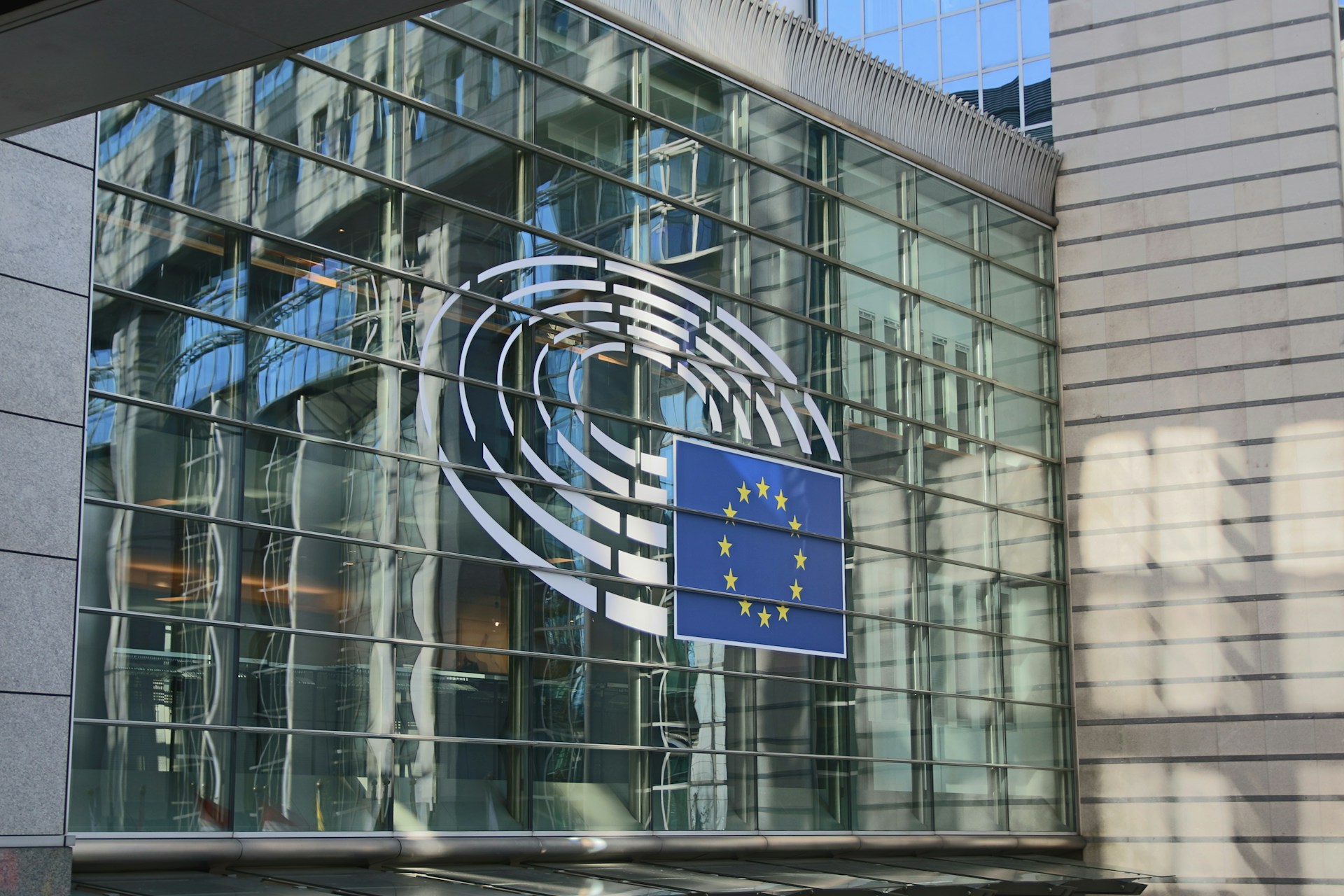
The consequences also reached Brussels. Germany, France and Italy pushed for co-ordinated EU screening in 2017, leading to the bloc’s first FDI Regulation in 2019. In May 2026, 10 years after the Kuka announcement, the European Parliament approved stricter screening rules covering semiconductors, quantum technologies and artificial intelligence.
The deal’s legacy is more complicated than the original backlash suggested. Kuka’s headquarters remain in Augsburg, data is still ringfenced in the EU, and the company continues to invest in German research and development. Yet a similar transaction proposed today would probably face tougher conditions, if not outright resistance. Kuka–Midea endures because it changed Europe’s investment reflex: openness became conditional once industrial capability began to look like strategic vulnerability.