
Sweden’s industrial revival faces investment uncertainty
Northern Sweden’s ambition to become a centre of Europe’s low-emissions industrial transformation has faced significant disruption, following setbacks that have shaken confidence in the region’s flagship investment projects.
The town of Skellefteå, just south of the Arctic Circle, had experienced rapid growth after electric vehicle battery start-up Northvolt selected the location for a major gigafactory. The development triggered a surge in international workers and lifted the local population by about 7,000. That expansion reversed abruptly in March 2025 when Northvolt entered bankruptcy after struggling with production challenges. Over the following year the municipality lost roughly 3,000 residents as economic activity slowed.
Northvolt’s difficulties were not isolated. Other major investment initiatives in the region have also faltered. Spanish company Fertiberia abandoned plans for a green ammonia and fertiliser facility, while green steel start-up Stegra has encountered financing challenges while attempting to advance its project in Boden. Together these developments have cast doubt over expectations that northern Sweden would spearhead Europe’s emerging industrial transition.
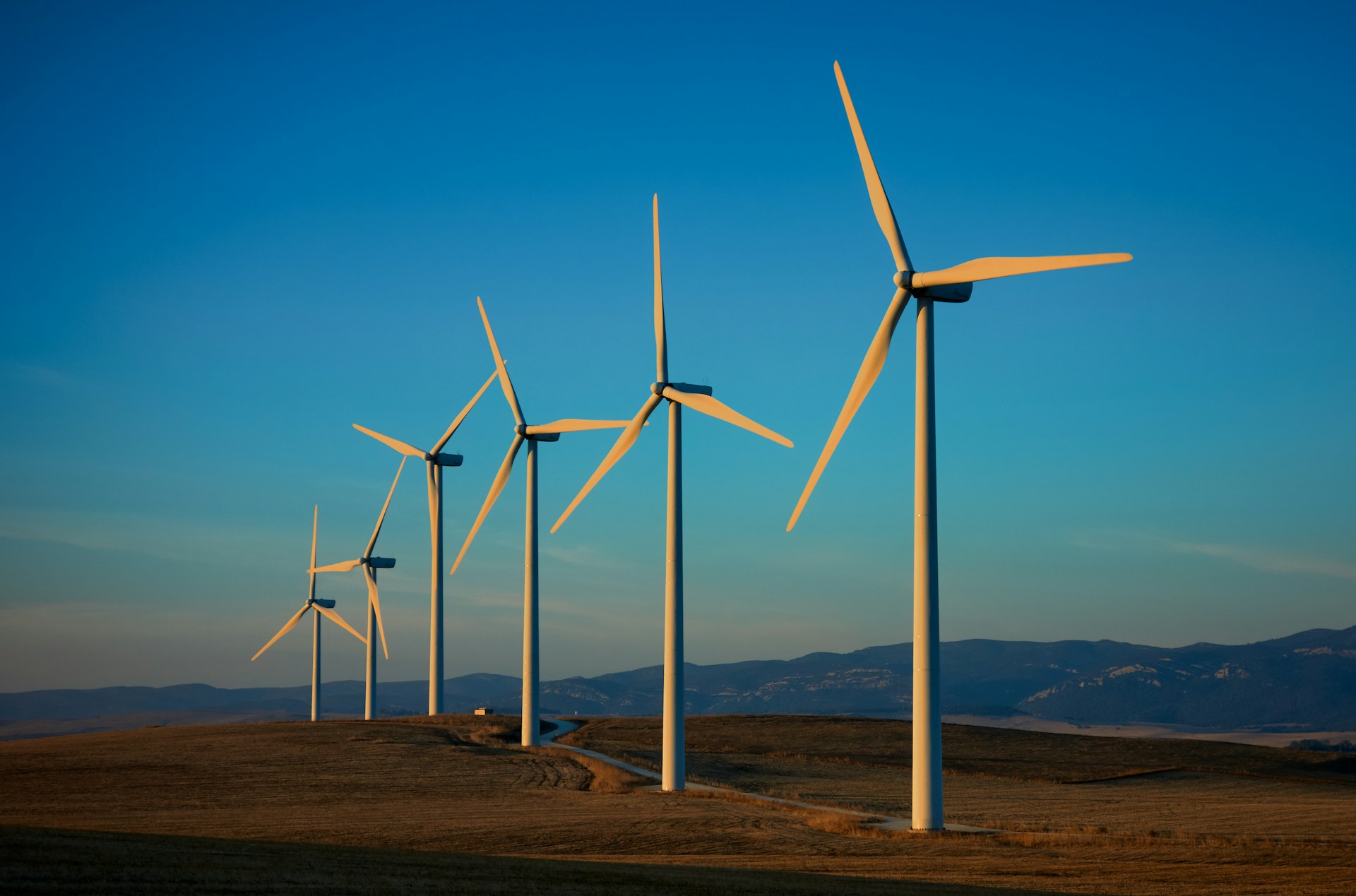
The region’s initial appeal was built on its energy system. Hydropower dominates electricity generation, complemented by rapidly expanding wind capacity, resulting in power that is almost entirely fossil free. Business electricity prices in Sweden and Finland were the lowest in the European Union in 2025, and the northern regions typically benefit from lower costs due to surplus generation. These factors have attracted companies seeking locations with minimal embedded emissions in their production processes.
However, competitive power prices alone have not guaranteed success. Analysts note that enthusiasm around new industrial technologies has cooled as European manufacturers struggle to compete with Chinese producers that have already achieved scale, particularly in battery manufacturing. By contrast, data centres appear to be gaining stronger momentum in the region, partly because their operations are less sensitive to fluctuations in electricity costs.
Swedish authorities continue to back some industrial projects. Stegra, which aims to produce steel using renewable energy and green hydrogen, received €37mn from the Swedish Energy Agency in 2025 under its Industrial Leap programme, adding to an earlier €100mn grant. The company has also secured a supply agreement with a subsidiary of Germany’s Thyssenkrupp as it prepares for commercial production. Yet its search for up to $1.5bn in additional funding highlights the financial hurdles confronting emerging technologies. Meanwhile, debate continues over whether Sweden’s government should expand support, as critics warn that partial backing risks undermining the country’s broader industrial transition.