
US Clean Energy Faces Setback as Subsidies Cut
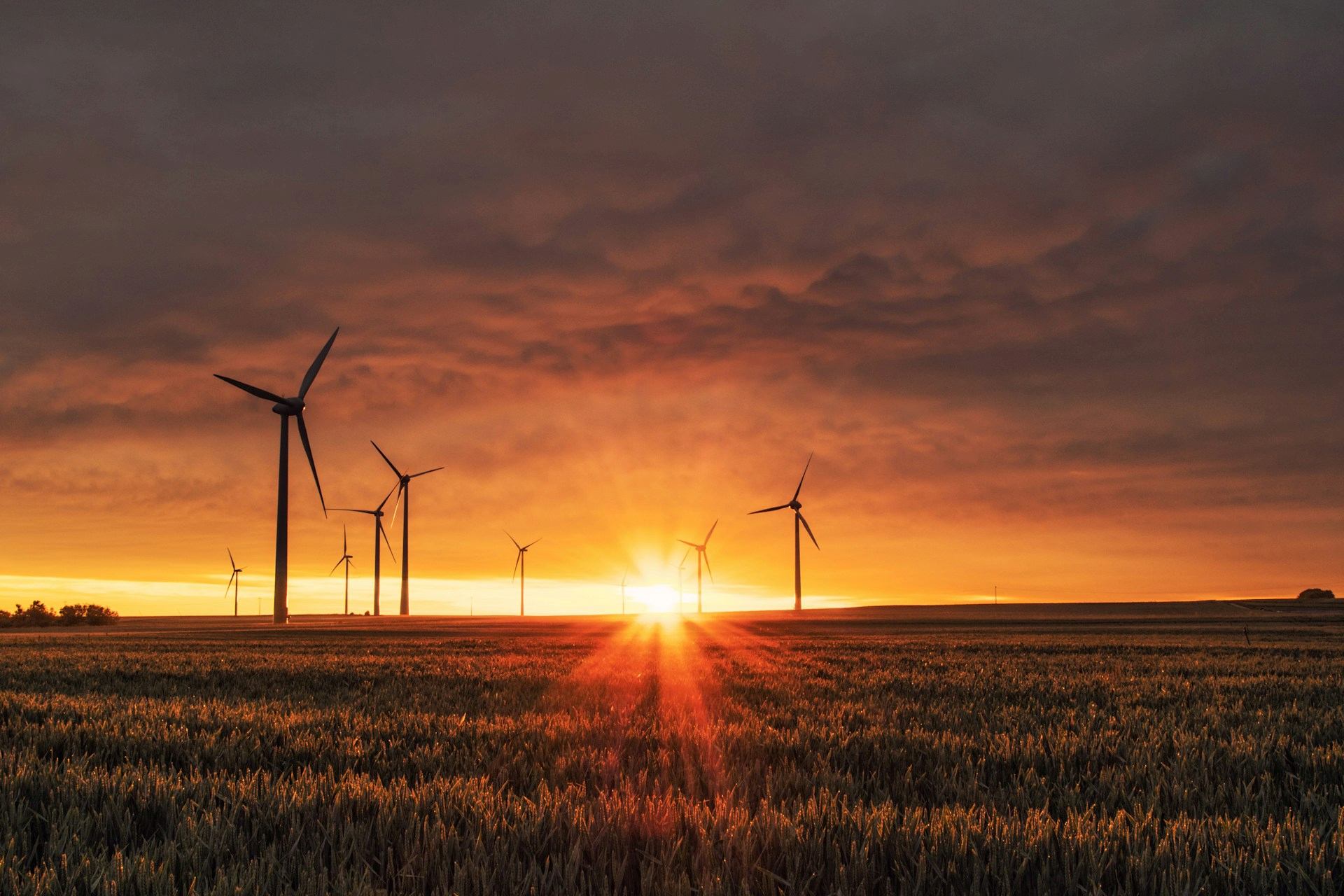
The U.S. clean energy sector is grappling with an unexpected decline in growth prospects, driven by a shift in government policies. Recent decisions to scale back subsidies for renewable energy projects are creating waves of uncertainty among businesses and investors who have driven the industry’s expansion in recent years.
This change stems from the Trump administration's budget legislation, which accelerates the phase-out of tax credits for solar and wind energy. This has forced developers to fast-track projects, requiring them to begin construction by next year or face potential cancellation. The new timeline has already caused disruptions, with major energy companies halting or revising plans for large-scale renewable projects. For example, projects such as offshore wind farms in the Northeast are now under review, and companies like Bila Solar and Heliene have paused investment worth hundreds of millions of dollars.
Energy analysts warn that these policy changes could negatively impact the country's renewable energy targets, reducing future installations by up to 20%. In the long term, the disruption may lead to higher electricity prices for households and hinder the development of essential technologies like artificial intelligence, which rely on a stable and growing renewable energy infrastructure.
While the administration argues that renewable energy increases grid instability and costs, industry leaders disagree. They contend that the sector has made significant strides in addressing grid reliability and price volatility. In fact, many experts believe that cutting support for clean energy now could stall the U.S.'s ability to meet its sustainability and decarbonisation goals.
Furthermore, the administration’s decision risks undermining a significant portion of the $373 billion in expected clean energy investments, as tightening the rules around who qualifies for incentives could discourage potential investors. The clean energy industry is watching these developments closely, aware that the outcome of these policy changes could shape the sector’s future for years to come.
As the situation unfolds, stakeholders in both the public and private sectors will need to navigate a new landscape that could either propel or hinder U.S. clean energy growth.